
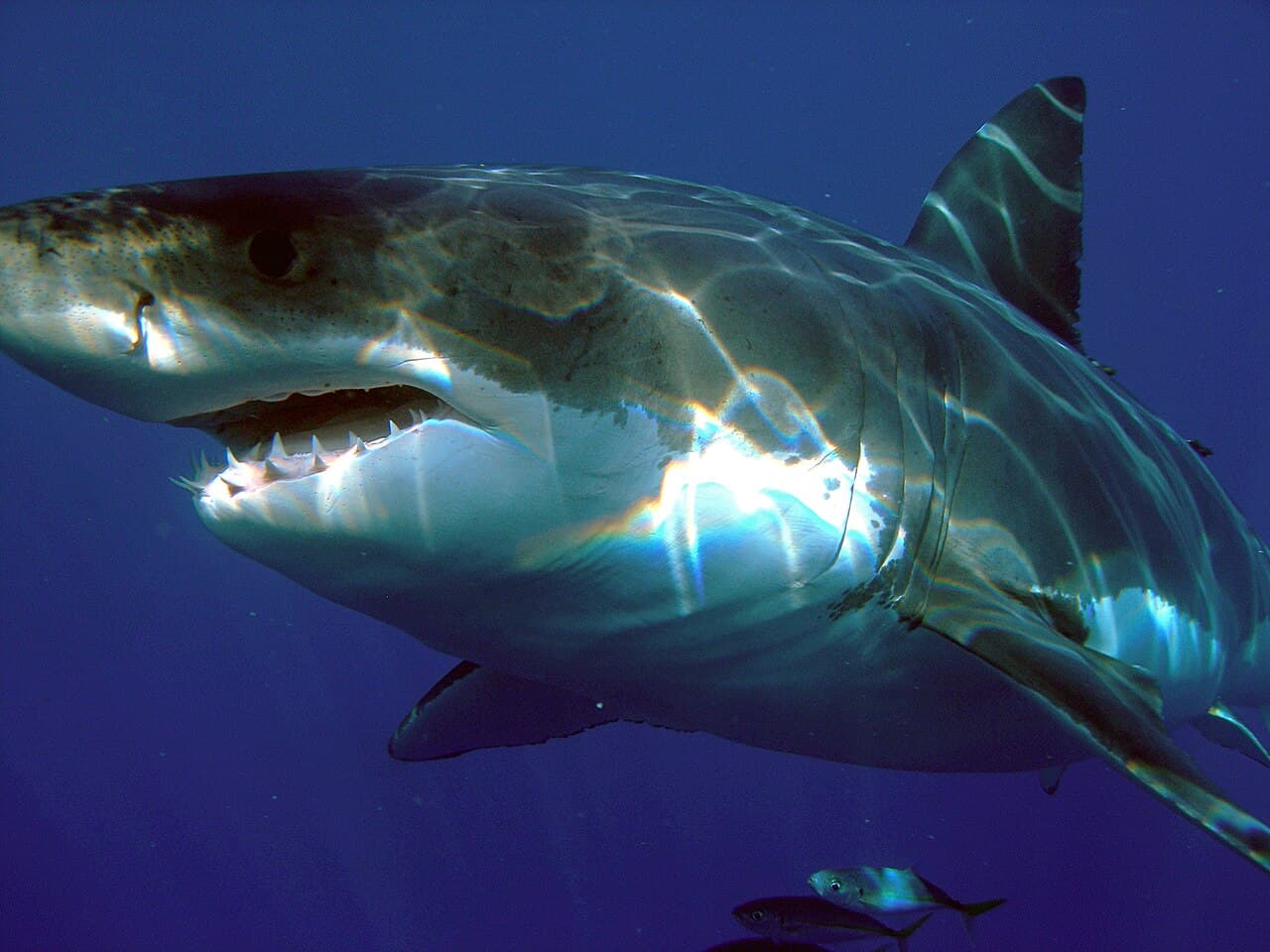
Unprovoked attacks remain the most studied category in shark incident research. We break down what the data actually tells us about risk factors, locations, and trends over the past decade.
Unprovoked shark attacks — defined as incidents where the shark initiates contact with a human who is not provoking it — represent the majority of recorded incidents in the GSAF database.
Over the past decade, unprovoked attacks have averaged roughly 70–80 incidents per year globally. Australia, the United States, and South Africa consistently account for the highest numbers, a reflection both of high coastal activity levels and robust incident reporting infrastructure.
Surfing and board sports account for the largest share of incidents (approximately 51%), followed by swimming (38%) and diving (8%). The remaining incidents occur during activities like kayaking, wading, and fishing.
The global lifetime risk of dying from a shark attack is estimated at 1 in 3.7 million — far lower than drowning, lightning strikes, or even bee stings. The media's focus on attacks tends to distort public perception of actual risk.
More useful is understanding relative risk: surfers in areas with known great white activity during dawn and dusk hours face meaningfully elevated risk compared to a swimmer in calm, clear water at midday.
The long-term trend shows a gradual increase in incident numbers, but this is largely explained by increased ocean participation. When normalized against hours of ocean activity, the rate has remained roughly stable.
 Shark Data Lab