
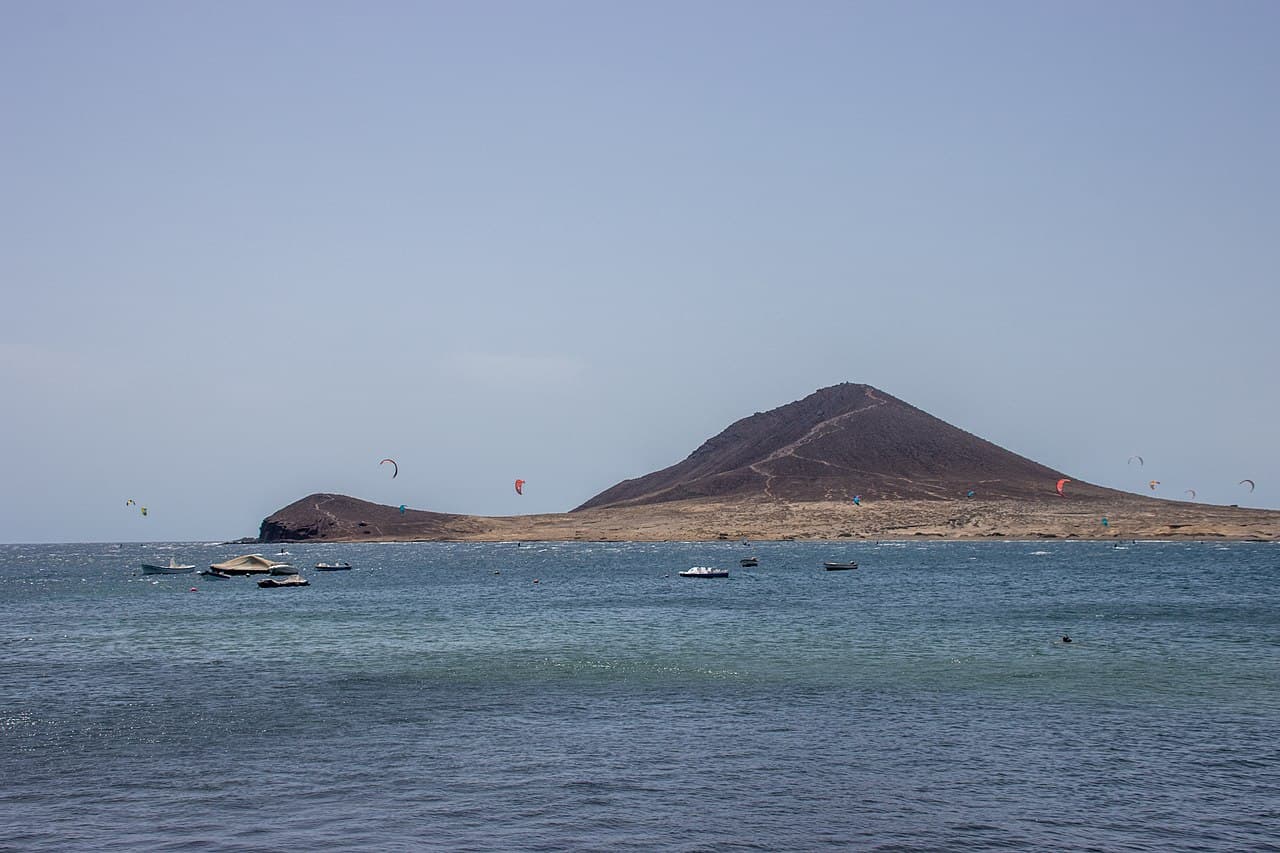
As wing foiling surges in popularity, incident reports involving this activity are rising. We analyze the data to understand whether the activity itself poses new risks or simply reflects increased participation.
Wing foiling — using a handheld inflatable wing and a hydrofoil board to travel above the water surface — emerged as a mainstream water sport around 2018–2019. By 2024, it was estimated to have several hundred thousand active practitioners globally, with the sharpest growth in Australia, South Africa, and the United States.
The GSAF database has recorded 11 incidents involving wing foiling as of early 2026. Of these, 9 occurred in Australia, primarily in Western Australia and South Australia — both regions with known white shark populations and high wing foiling adoption.
At first glance, this appears to implicate the activity as inherently higher risk. But the numbers need context.
Wing foiling takes place in open coastal water, often over deeper water than traditional surfing, and at higher speeds. Practitioners are typically farther from shore and often cover significantly more ocean territory per session than a surfer or swimmer. This increases the statistical probability of entering proximity with a shark simply through greater coverage area.
When incidents are roughly normalized against estimated participation hours, wing foiling's rate is comparable to surfing — not elevated beyond what geography and ocean time would predict.
Western Australia accounts for a disproportionate share of serious incidents for all water sports, driven by confirmed white shark aggregation in certain coastal zones. The emergence of wing foiling as a popular sport there — combined with the state's shark population dynamics — creates a geographic overlap that explains the numbers without requiring any behavioral explanation specific to the sport.
There is no reliable mechanism for wing foiling to specifically attract sharks in a way that surfing doesn't. The foil board does not mimic prey silhouettes any more than a surfboard does. Research on this question is currently limited.
 Shark Data Lab