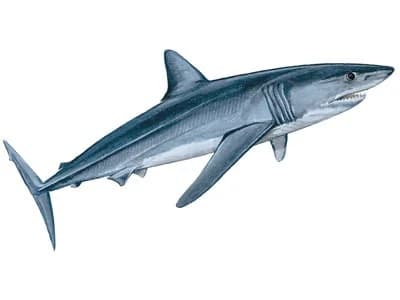
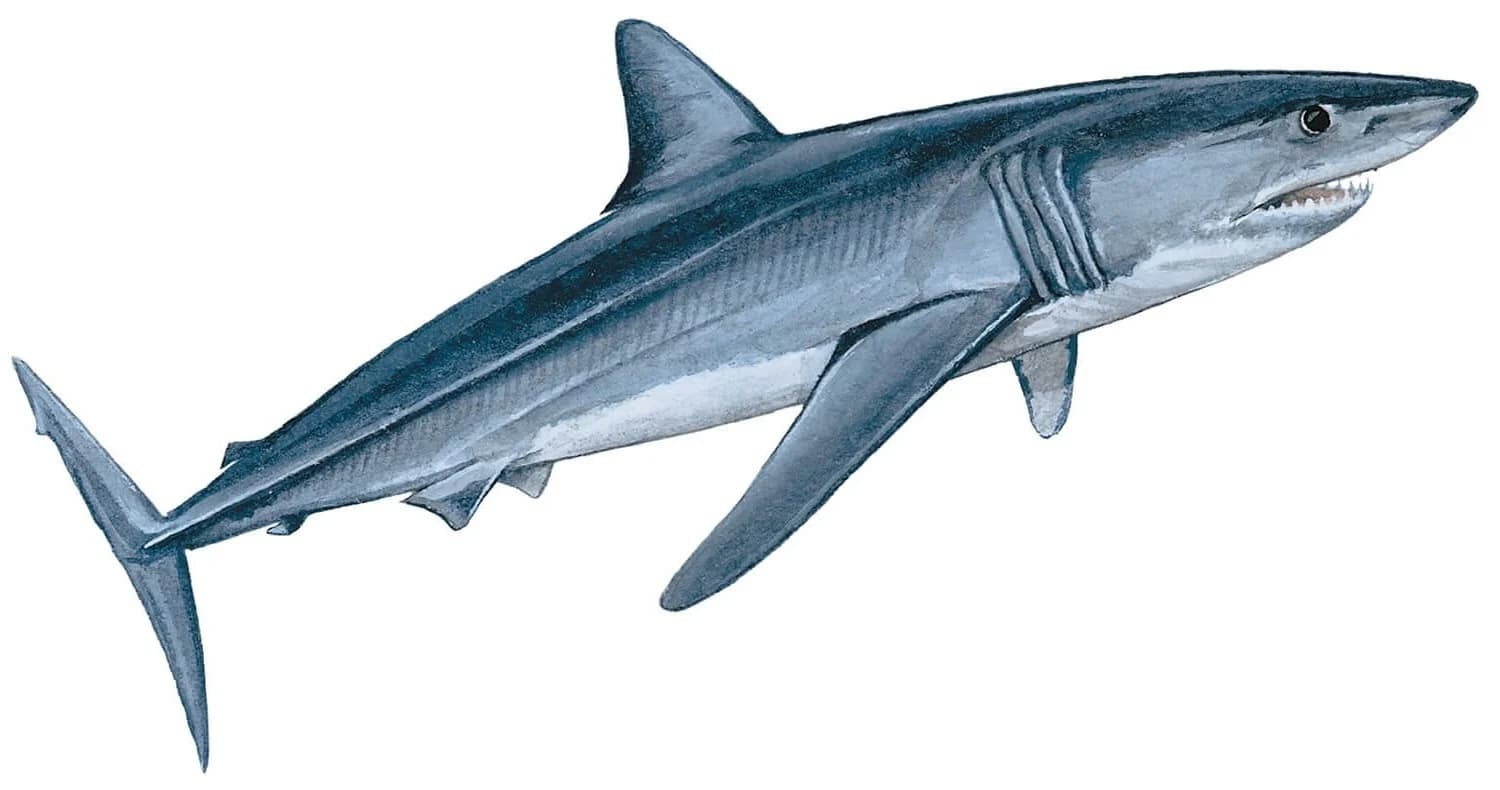
Le parent moins commun du taupe bleu, distingué par des nageoires pectorales plus longues. Trouvé dans les océans tropicaux ouverts. Gravement menacé d'extinction en raison de la surpêche et de son très faible taux de reproduction.
Habitat
Peu connu. Possiblement épipélagique en eaux profondes en océan ouvert.
Distribution
Tropical & subtropical seas worldwide
Le requin se trouve dans les régions océaniques et tropicales, probablement mondialement (bien que mal documenté). Il est commun dans l'Atlantique occidental et possiblement dans le Pacifique central; mais rare ailleurs.
Behavior
Peu connu. Pourrait être un nageur plus lent que le taupe bleu - Isurus oxyrinchus.
Counts are based on the species field of the Global Shark Attack File. Identifications by witnesses are often uncertain; treat figures as recorded incidents, not authoritative totals.
Frequently Asked Questions
How many shark attacks have been recorded involving the longfin mako?▾
1 incidents in the Global Shark Attack File mention the longfin mako, of which 0 were fatal (0.0%). Note that witness species identifications are often uncertain, so this is the count of recorded incidents.
Where do most longfin mako incidents occur?▾
The countries with the most recorded longfin mako incidents are Japan.
Is the longfin mako dangerous to humans?▾
The longfin mako is not considered dangerous to humans under normal conditions. There are few or no recorded incidents involving this species.
Where does this species data come from?▾
Species profiles are compiled from peer-reviewed taxonomy and published references. Incident data is sourced from the Global Shark Attack File and joined to species records by name match.

 Shark Data Lab