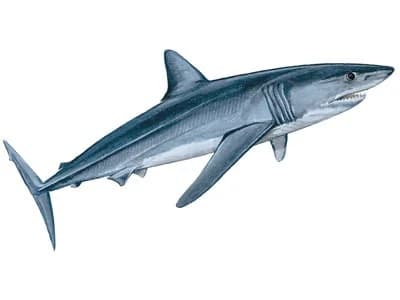
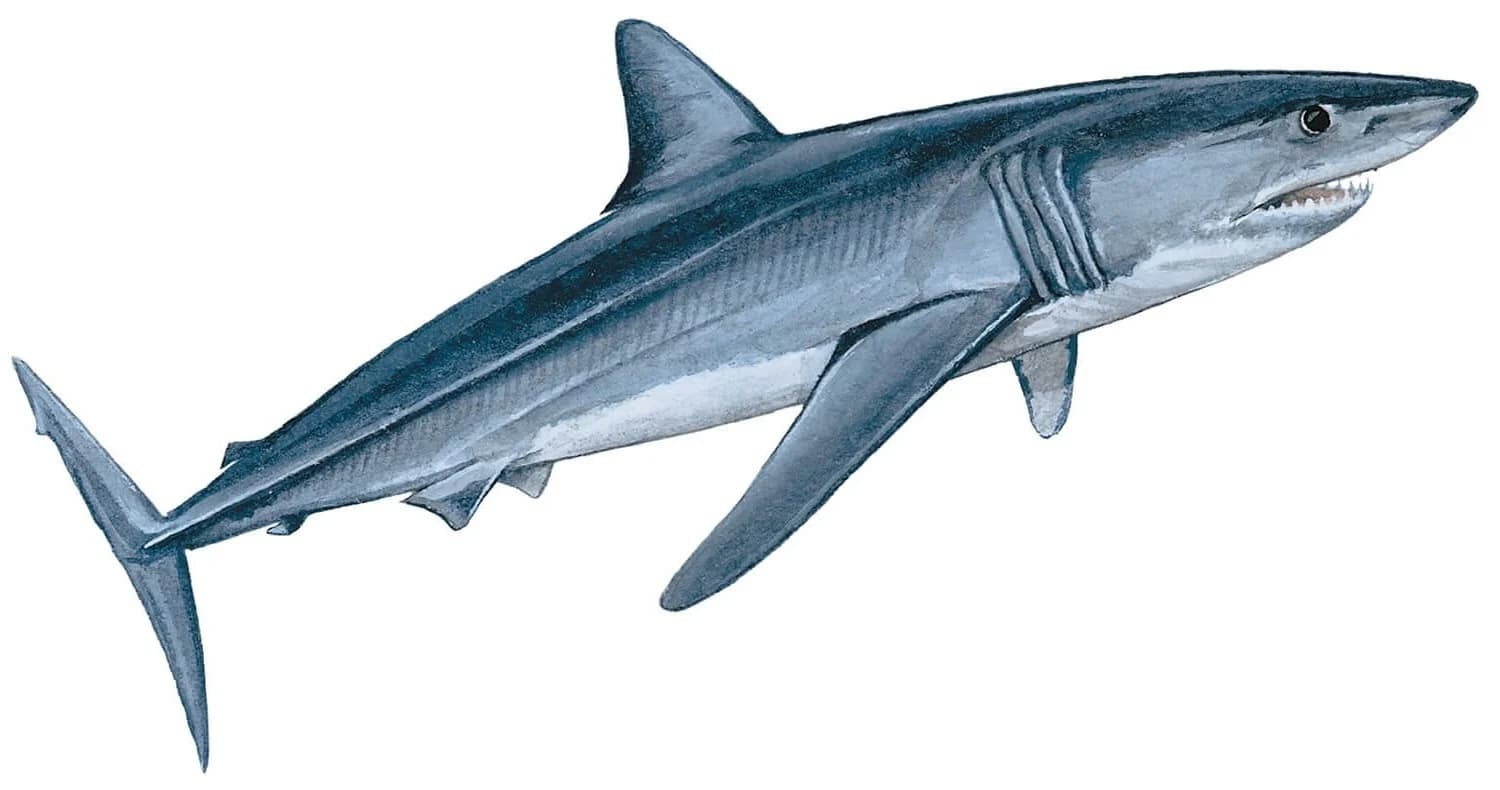
The less-common relative of the shortfin mako, distinguished by longer pectoral fins. Found in tropical open oceans. Critically endangered due to overfishing and its very low reproductive rate.
Habitat
Poorly known. Possibly epipelagic in deepwater in the open ocean.
Distribution
Tropical & subtropical seas worldwide
The shark is in oceanic and tropical regions, probably world-wide (though poorly recorded). It is common in the western Atlantic and possibly the central Pacific; but rare elsewhere.
Behavior
Poorly known. May be a slower swimmer than the Shortfin mako shark - Isurus-oxyrinchus.
Counts are based on the species field of the Global Shark Attack File. Identifications by witnesses are often uncertain; treat figures as recorded incidents, not authoritative totals.
Frequently Asked Questions
How many shark attacks have been recorded involving the longfin mako?▾
1 incidents in the Global Shark Attack File mention the longfin mako, of which 0 were fatal (0.0%). Note that witness species identifications are often uncertain, so this is the count of recorded incidents.
Where do most longfin mako incidents occur?▾
The countries with the most recorded longfin mako incidents are Japan.
Is the longfin mako dangerous to humans?▾
The longfin mako is not considered dangerous to humans under normal conditions. There are few or no recorded incidents involving this species.
Where does this species data come from?▾
Species profiles are compiled from peer-reviewed taxonomy and published references. Incident data is sourced from the Global Shark Attack File and joined to species records by name match.

 Shark Data Lab