Shark Data Lab logoShark Data Lab
Megamouth Shark
Lamniformes

Megamouth Shark

Megachasma pelagios

Back to species

Max Length

5.5m

Overview

A filter feeder discovered only in 1976. Swims slowly with a large gaping mouth to engulf zooplankton and jellyfish. Fewer than 300 specimens have ever been recorded. One of the rarest sharks on Earth.

Habitat

Oceanic, coastal and offshore, 16.4 to 131.2 ft [5 to 40 m] on continental shelf, 26.2 to 544.6 ft [8 to 166 m] offshore over very deep water.

Distribution

Tropical & subtropical seas worldwide

Probably world-wide in the tropics (not many records).

Behavior

Probably migrates vertically with plankton, close to the surface at night, and deeper by day.

Biology

Diet
Feeds on plankton, particularly shrimp, possibly by suction.
Reproduction
Unknown, but presumed viviparous with oophagy

Appearance

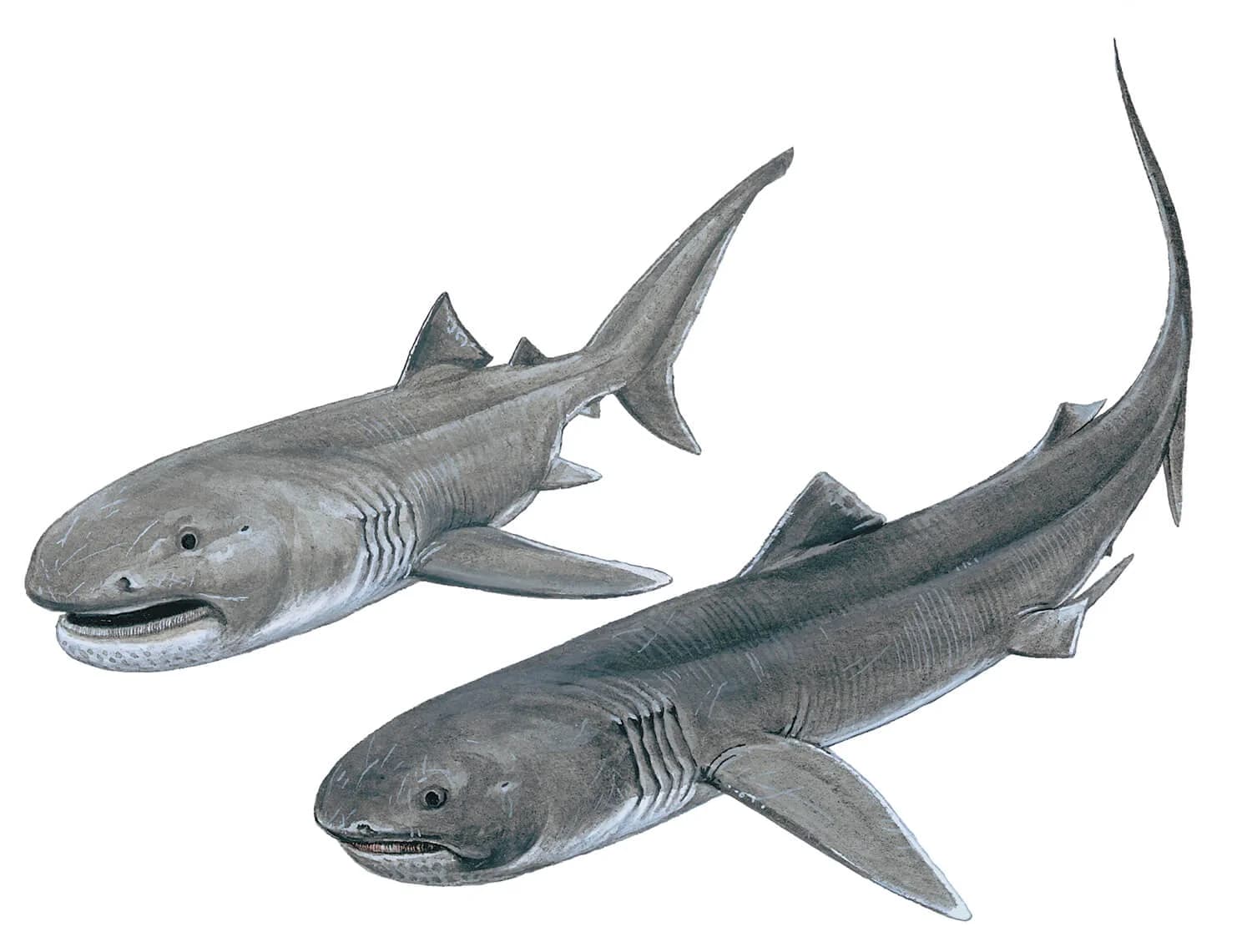
Megamouth Shark illustration
Dorsal
The body is grey on the top (light margins to blackish pectoral and pelvic fins), and white below with dark spotting on the lower jaw.

Dentition

Upper jaw
Numerous small, hooked teeth.
Sources:sharksorg

Frequently Asked Questions

Is the megamouth shark dangerous to humans?
The megamouth shark is not considered dangerous to humans under normal conditions. There are few or no recorded incidents involving this species.
Where does this species data come from?
Species profiles are compiled from peer-reviewed taxonomy and published references. Incident data is sourced from the Global Shark Attack File and joined to species records by name match.